Loading...
Serving Mountain View, CA and surrounding areas. (650) 582-0099
Everything your home stands on depends on what is underneath it. We install concrete foundations built for Bay Area seismic conditions and Santa Clara Valley clay soils - with permits pulled, inspections managed, and no surprises on the bill.
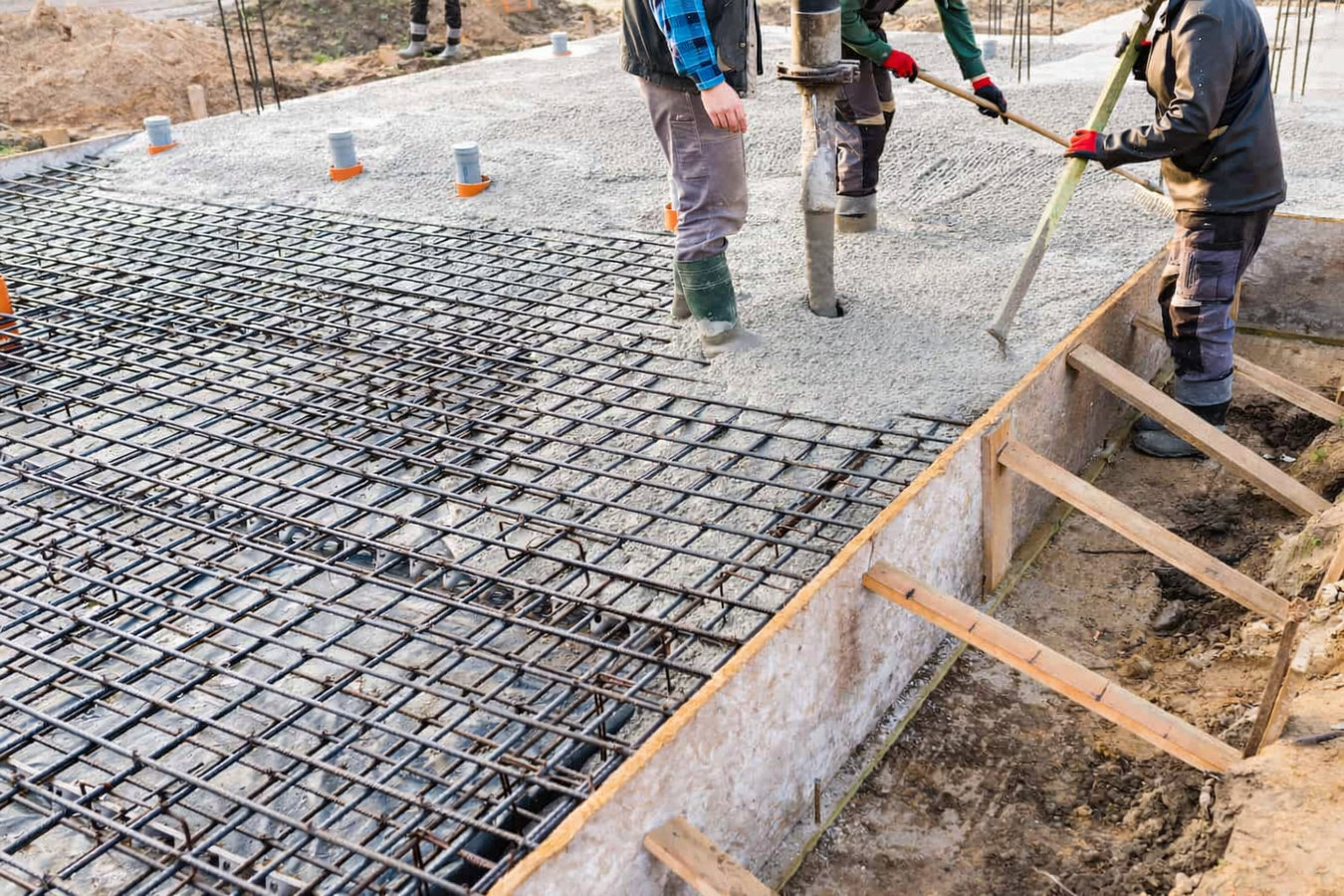
Foundation installation in Mountain View covers the full structural base of a home - excavation, forming, seismically reinforced concrete pours, and drainage setup - with most residential projects running one to three weeks of active on-site work once permits are approved, plus several weeks of curing before framing begins.
Your foundation is the part of your home that sits directly on the ground and carries the weight of everything above it. In Mountain View, that job is complicated by two things: clay-heavy soils that move with the seasons, and proximity to major fault lines that make seismic reinforcement a hard requirement rather than an option. Whether you are replacing an aging raised foundation in one of the city's older neighborhoods or installing a new one for an ADU or addition, the design needs to account for what is actually under your property. For the flat concrete surface that will sit on top of your foundation, our slab foundation building team handles the slab-on-grade work as a coordinated part of the same project.
Call us at (650) 582-0099 or request a free estimate online. We respond within one business day.
If you have patched cracks in interior walls or concrete floors and they keep reappearing - especially diagonal cracks near door and window corners - that is a sign the foundation may be moving. In Mountain View, the clay-heavy soil expands and contracts with the wet and dry seasons. A crack that comes back after being repaired is telling you something is shifting underneath, and patching it again is not solving the problem.
When a foundation shifts, the frame of the house shifts with it, and the first place you usually notice this is in doors and windows. If doors that used to swing freely now drag on the floor or will not latch, or if windows have gaps they did not have before, your foundation may be settling unevenly. This is especially worth paying attention to in older Mountain View homes, where original foundations were not built for the soil movement common here.
If you are adding a second story, a large room addition, or an accessory dwelling unit - which are increasingly common in Mountain View given the city's housing goals - your existing foundation may not carry the added weight. A contractor can assess whether your current foundation can be reinforced or whether a new one is needed before construction begins. Getting this answer early prevents a much more expensive problem mid-project.
Mountain View gets most of its rain between November and April. If water collects against your foundation walls after a storm rather than draining away, that moisture works against your concrete over time. Persistent water intrusion can weaken a foundation from the outside in, and it is often a sign that the original foundation was not installed with adequate drainage - or that drainage has failed over the years.
We handle foundation installation from initial site assessment through final city inspection. That covers excavation, soil evaluation, forming, placement of seismic-grade steel reinforcement, the concrete pour, drainage installation, backfill, and cleanup. Every phase is tied to Mountain View's permit and inspection process - we apply for the permit before the first shovel goes in and coordinate each required inspection along the way. For projects that also include a slab floor directly on grade, our slab foundation building work is designed to integrate with the foundation system rather than be bolted on as an afterthought.
We also work on older Mountain View homes that need raised foundation retrofits - bringing crawl space structures built in the 1940s through 1960s up to current seismic anchoring requirements. These projects require a contractor who knows how older Bay Area construction was built and what it takes to meet today's standards without gutting the structure above. For structures that will require a new or expanded parking surface as part of a larger project, our concrete parking lot building team handles the flatwork that follows.
Full foundation systems for new homes, ADUs, and major additions - designed for Mountain View's soil conditions and seismic requirements, with permits and inspections included.
Seismic anchoring upgrades for older crawl space foundations - bringing the connection between your home's frame and its concrete base up to current California standards.
Removal of failing or structurally compromised foundations and full replacement with a properly engineered system - including improved drainage and modern seismic detailing.
Full permit handling for projects that require geotechnical soil reports or structural engineering review - with all documentation organized and on record when the project closes.
Mountain View sits between the San Andreas and Hayward fault systems - two of the most active in California. Foundations installed here must meet seismic requirements that go well beyond what you would see in most other states, including specific steel reinforcement ratios and anchor hardware that keeps the home's frame connected to its base during ground movement. On top of that, the Santa Clara Valley's clay soils swell during the wet season, typically November through April, and shrink back during the dry summer months. That movement puts ongoing stress on concrete - which is why the excavation depth, base preparation, and drainage design all need to be calibrated to local conditions. We work throughout Mountain View and in neighboring Redwood City and Santa Clara, where the same soil conditions and seismic requirements shape every project.
Many of Mountain View's older neighborhoods - particularly those near Castro Street and the residential streets north of El Camino Real - have homes built in the 1940s through 1960s with raised foundations that were not designed to today's earthquake standards. Replacing or retrofitting these foundations requires a contractor who understands both how older Bay Area construction was built and what current requirements look like in practice. The USGS Earthquake Hazards Program publishes regional seismic risk data that shapes the foundation standards enforced here, and the City of Mountain View Building Division manages the permit applications and inspection schedule your contractor handles on your behalf.
We schedule a site visit - typically 30 to 60 minutes - to look at your existing foundation or proposed build area, assess soil and drainage conditions, and check access for equipment. You get a written estimate covering every phase before you decide. We respond within one business day of first contact. Foundation costs vary too much property to property to quote meaningfully over the phone.
Once you approve the scope and sign a contract, we submit the permit application to Mountain View's Building Division. Permit review typically takes two to four weeks. We handle the application entirely - you do not need to visit city hall or track down the forms yourself. You should ask for a copy of the permit before work begins so you have documentation that it is in place.
With permits approved, the crew excavates, prepares the base, sets the forms, and places the seismic-grade steel reinforcement. City inspectors visit at the required stages before and during the pour. The pour itself usually takes a single day for a standard residential foundation - this is the loudest, most active phase of the project.
After the pour, the concrete needs several weeks to cure and reach full strength. City inspectors return to verify the completed work meets Mountain View's building code. Once the final inspection is passed, we complete any backfill, cleanup, and final touches - and we hand you copies of all passed inspection records before you make your final payment.
Free written estimate. No pressure - just a clear picture of what your project needs and what it will cost before you commit to anything.
(650) 582-0099Mountain View's location near active fault systems is not an abstract concern - it shapes how every foundation we install is reinforced. We size the steel, anchor hardware, and footing design to handle ground movement, not just vertical load. The city's inspection process verifies this at multiple stages, so you have documented proof the work meets California's seismic requirements.
Many Mountain View homes built in the 1940s through 1960s have raised foundations that were never brought up to modern seismic anchoring requirements. We have direct experience working on these structures - understanding how they were originally built and what it takes to retrofit or replace them to current standards without unnecessary disruption to the home above.
Foundation work requires permits in Mountain View, and unpermitted work creates real problems when you sell your home or make an insurance claim. We apply for every required permit before work begins, schedule each city inspection as the project progresses, and hand you all passed inspection records at the end. Your project closes with a clean permit record on file with the city.
Bay Area foundation costs already run high. The last thing you need is a quote that expands once the crew is on-site. Our estimates are itemized - excavation, forming, steel, concrete, drainage, permits, and cleanup - so you can compare them directly against other bids without guessing what is and is not included. What you sign is what you pay.
A foundation is one of those investments where the quality of the work is invisible until something goes wrong - and by then it is expensive to fix. These four points add up to a contractor who builds it right from the start, handles the city process so you do not have to, and leaves you with documentation that protects your home's value long after the crew is gone. For contractor license verification, the California Contractors State License Board lets you look up any contractor's status in minutes.
Commercial and residential concrete parking surfaces built to handle heavy loads and daily traffic - a natural complement to foundation and site work on larger properties.
Learn MoreSlab-on-grade pours for new homes and ADUs - the flat concrete floor layer that sits on top of your foundation system and carries your home's interior loads.
Learn MoreReputable Bay Area contractors book weeks out - reach out now and we will get your permit application moving before the busy season fills the schedule.