Loading...
Serving Mountain View, CA and surrounding areas. (650) 582-0099
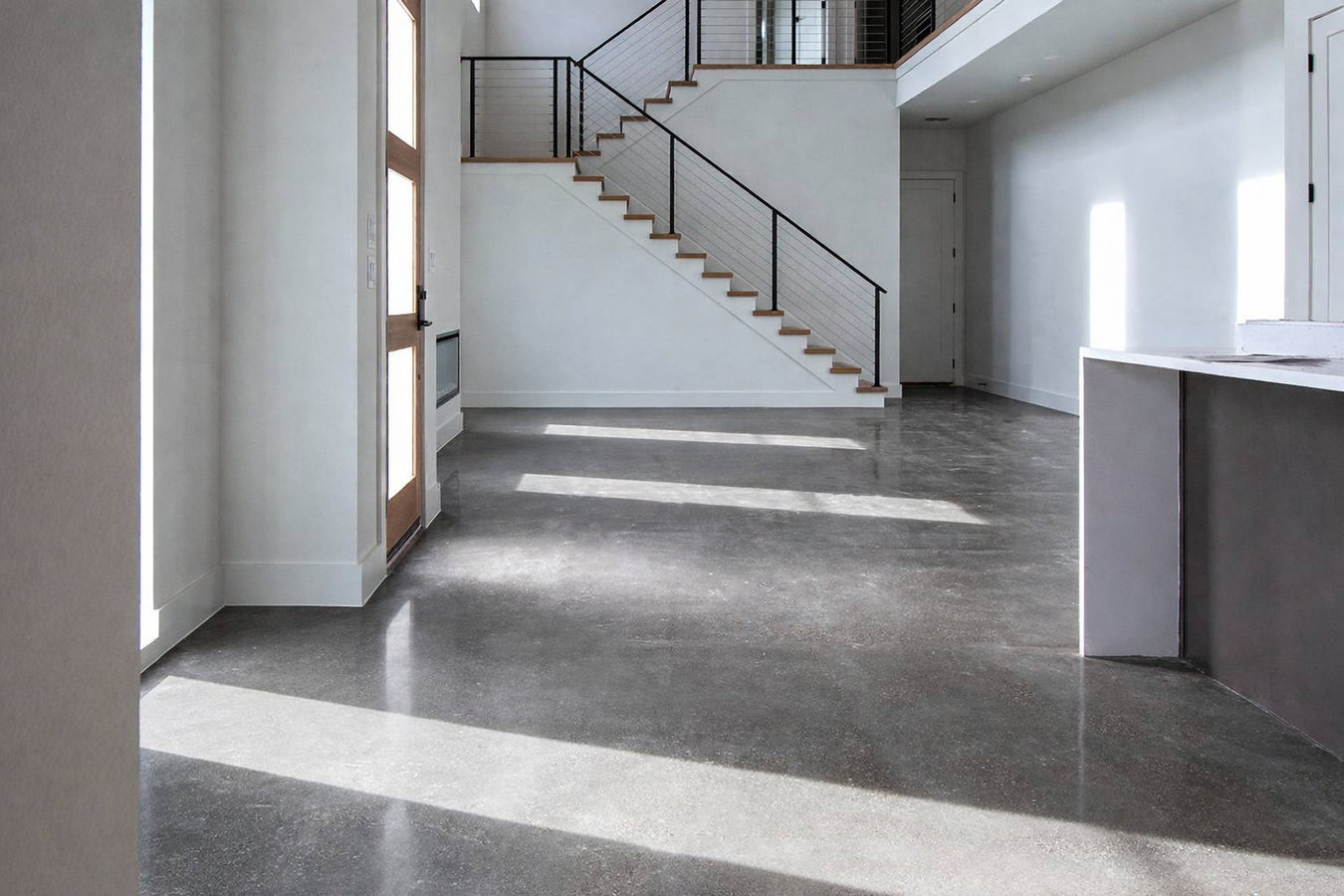
Cracked, uneven, or unfinished floors drag down garages, ADUs, and renovation spaces. We install concrete floors built for Mountain View's clay soils - properly prepped, reinforced, and permitted - so you are not calling someone back to fix it in two years.
Concrete floor installation in Mountain View means pouring a reinforced slab onto a properly prepared base, then finishing the surface for the way you plan to use the space - most residential pours take one to two days, with a curing period of at least a week before regular use.
The part most homeowners underestimate is what happens before the concrete truck arrives. The crew needs to clear and compact the base, lay down a moisture barrier, and set the reinforcement - because a floor poured on a poorly prepared base in Mountain View's clay-heavy soil will crack and settle within a few seasons. Whether you are replacing a failing garage slab, building a new room addition, or converting your garage to an ADU, the prep work is what separates a floor that lasts decades from one that starts showing problems in year three. For spaces where the floor connects to an outdoor area, our concrete pool decks team handles the exterior surfaces as part of the same project.
Call us at (650) 582-0099 or request a free estimate online. We respond within one business day.
Small hairline cracks in concrete are common and often harmless, but if you notice cracks that are widening, running diagonally, or have edges that sit at different heights, the slab may be moving. In Mountain View, this kind of movement is often tied to the clay-heavy soil beneath older homes shifting with seasonal wet and dry cycles - and it tends to get worse, not better, on its own.
If water sits in low spots on your floor rather than draining toward a floor drain or the garage door, the floor is no longer level. This can happen gradually as the slab settles, and it creates a slipping hazard and a moisture problem that can damage anything stored on the floor.
This is called spalling, and it means the top layer of the concrete is breaking down. It can happen when a floor was not finished or sealed properly, or when moisture has been working its way through the slab for years. Once spalling starts, it tends to spread - and a floor in that condition is harder to clean, harder to seal, and can become a tripping hazard.
Mountain View's permitting process for ADU and garage conversion projects typically requires a floor that meets residential standards - which a raw, unfinished slab may not. Getting the floor right at the start saves significant rework later, and it is one of the first steps the city will look at during inspection.
We pour concrete floors for garages, basements, room additions, ADUs, and any interior space that needs a finished, durable surface. Every project includes proper subgrade compaction, a moisture barrier where the space requires it, steel mesh or rebar reinforcement, and control joints cut into the slab at regular intervals so that any future shrinkage cracking follows a predictable line rather than running randomly across the floor. Finish options range from a practical broom finish for grip - the right choice for most garages - to a troweled smooth finish for living spaces, or a sealed and stained surface for ADUs and home offices. If your project connects to an existing garage or covered parking area, our garage floor concrete work covers the full scope of those spaces including epoxy coating and drain placement.
For homeowners planning a garage-to-ADU conversion or a new room addition, the floor spec often needs to meet different requirements than a standard garage slab - including a higher-grade moisture barrier and in some cases insulation under the slab. We handle those conversations with the Mountain View Building Division as part of the permit process so you are not surprised mid-project. Exterior slabs that adjoin the space - patios, pool surrounds, and other outdoor surfaces - can be handled by our concrete pool decks and outdoor flatwork teams so everything is designed together from the start.
Full removal of a failing slab and installation of a new reinforced pour with proper base prep - suited to Mountain View's older housing stock where the original slab is 50-plus years old.
Floors built to residential standards for garage-to-living conversions, with moisture barriers, smooth finishes, and city permit compliance built in from the start.
New slab-on-grade pours for room additions and new structures, designed to match the existing home's grade and tie into surrounding flatwork.
Overlay or replacement for interior concrete that is structurally sound but has a damaged or unfinished surface - including sealed, stained, and polished finish options.
A large share of Mountain View's single-family homes were built in the 1950s and 1960s. Many of those homes still have their original garage slabs - concrete that is now 60 or more years old and sitting on soil that has been expanding and contracting with every Bay Area wet season since then. Mountain View's clay-heavy soils are one of the most common causes of floor cracking and settlement in this area, and a contractor who does not specifically address base prep and moisture barriers before pouring is skipping the steps that matter most here. We work regularly in Mountain View and across the neighboring communities of Santa Clara and Sunnyvale, and local soil conditions are part of how we spec every job.
Mountain View has also seen a surge in ADU projects and garage conversions, driven partly by state law and partly by the density of remote workers in the area who need real home office space. If a concrete floor is part of a conversion project, the city's building department will inspect it - and a floor that was not permitted or does not meet residential standards can create problems at resale. The City of Mountain View ADU program has specific guidelines for conversion projects, and the American Concrete Institute publishes the construction standards we follow for slab design and placement.
We ask about the space - its size, current condition, and what you want the finished floor to look like. Most projects require an in-person visit before we give you a price, because site access, base condition, and permit needs all affect the cost. We respond within one business day.
Before work starts, we assess the existing base, check for moisture issues, and determine what prep the site needs. We also pull the Mountain View building permit - this takes a few days to a couple of weeks depending on the city's current workload, so factor that into your timeline from the start.
Clear the space completely - everything off the floor, and ideally out of the area entirely. If it is a garage, plan to park elsewhere for at least a week. The crew handles all the heavy prep work and pours the slab in a single session. The surface will be off-limits immediately after - do not plan to use the space that day.
The floor needs at least a week before you move furniture or equipment back in, and closer to a month before it reaches full hardness. Once cured, we walk through the finished floor with you, explain the control joints, cover any sealer that was applied, and close out the city permit. Keep that inspection record - it is useful documentation at resale.
Free written estimate. Permits handled. No mystery pricing - you will know exactly what is included before anyone picks up a tool.
(650) 582-0099Mountain View's expansive clay soils are one of the main reasons concrete floors crack prematurely in this area. We compact the subgrade carefully, install a proper moisture barrier, and size the reinforcement for the way this ground moves - not a generic spec pulled from a national price sheet.
We handle the Mountain View building permit from application through final inspection - including ADU and garage conversion projects where the floor spec needs to meet residential standards. Permitted work is on record, and that documentation protects you when it is time to sell.
Every quote we give breaks down what is included - prep work, the pour, finishing, and any permit fees. In a market where contractor costs can vary widely, you deserve to know what you are paying for before the crew shows up, not after.
Mountain View has specific requirements for ADU conversion floors that differ from a standard garage slab. We are familiar with those requirements and have worked on conversion projects throughout the city - so we know which questions to ask the city's building department before the pour, not after.
In Mountain View's real estate market, buyers notice the details - and a cracked, uneven, or unpermitted floor raises questions about how the rest of the home was maintained. A floor installed correctly the first time is an investment that pays off every time someone opens your garage door.
Extend your concrete work outside - pool surrounds and outdoor decks installed to match your interior floor and handle constant moisture.
Learn MoreDedicated garage floor work including drain placement, epoxy coating, and finishes built for vehicles and heavy storage.
Learn MoreSummer is the best time to pour in the Bay Area - schedule now before the season fills up and your project is ready before the next rainy season.