
Loading...
Serving Mountain View, CA and surrounding areas. (650) 582-0099
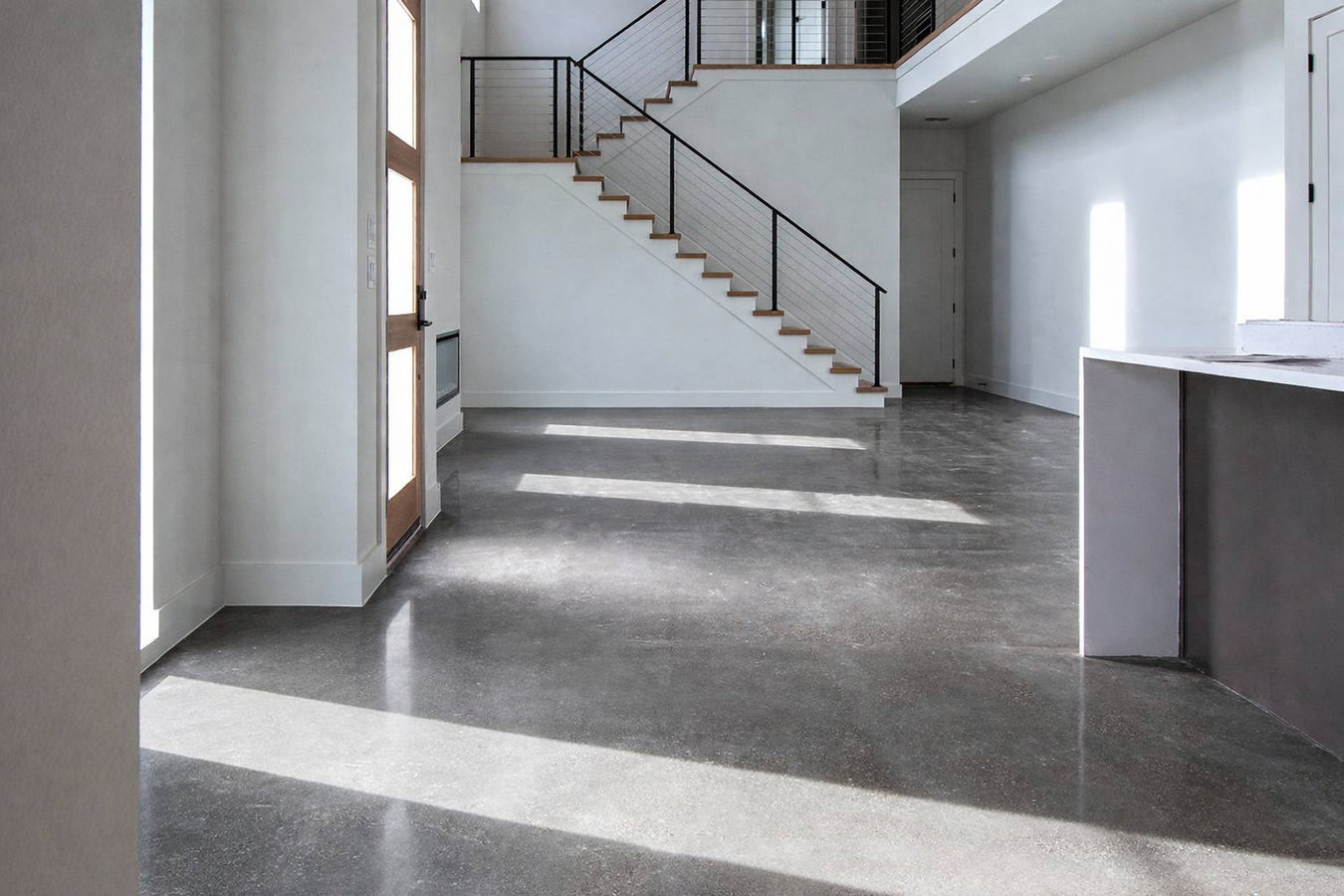
Mountain View Concrete Contractors serves San Jose with concrete floor installation, driveway replacement, patio construction, retaining walls, and foundation work across all neighborhoods - from Willow Glen and Rose Garden to Evergreen and Almaden Valley. San Jose is the largest city in Northern California, with a huge share of postwar homes where clay soil movement and decades-old tree roots are the two forces most responsible for failing flatwork. We respond within one business day and deliver written estimates before work begins.
San Jose homes built in the 1950s and 1960s often have interior concrete floors - garage slabs, utility room pads, and basement floors - that were poured thin without the base preparation that modern codes require, and they show it in the cracking, settling, and surface breakdown visible today. Our concrete floor installation service handles full replacement from demo through finish, including the compacted base work that prevents the clay soils beneath from repeating the cycle with the new slab.
San Jose driveways in neighborhoods like Willow Glen and Cambrian Park face root pressure from trees that were planted when the homes were new in the 1950s and are now large enough to fracture concrete slabs from below. A properly designed driveway pour with correct control joint spacing, adequate thickness, and root barrier installation can coexist with those trees far longer than patch repairs on an already-failing original pour.
San Jose's dry summers and mild winters mean outdoor living space is usable most of the year, and a concrete patio provides low-maintenance outdoor area without the regular upkeep that wood decking requires in a climate that alternates between six months of intense sun and months of winter rain. Proper surface slope for drainage and a slip-resistant finish are both important on San Jose patios, where wet winters make standing water a regular hazard.
Grade changes between street level and yard level are common on San Jose residential lots, particularly in hillside neighborhoods like Evergreen and in older flatland areas where multiple subdivisions were built at slightly different grades over time. The Santa Clara Valley's clay soils become significantly heavier when saturated during winter rains, and a retaining wall that lacks proper drainage behind it absorbs that load every year until the wall or the footing fails.
San Jose property owners are responsible for maintaining sidewalks fronting their homes in a safe condition, and trip hazards caused by tree root upheaval are one of the most common code enforcement issues in the city's older residential neighborhoods. Replacement panels poured with root barriers installed beneath give the new concrete a much longer service life on lots with mature street trees that are not being removed.
San Jose sits in a seismically active region where the San Andreas and Calaveras faults both run nearby, and many homes built before the 1980s have foundations that predate modern seismic codes. ADU construction and home additions in San Jose also frequently require new footings and foundation work to meet current building standards, and the city's Department of Planning, Building and Code Enforcement enforces those requirements closely on permitted projects.
San Jose is the largest city in Northern California, covering about 180 square miles with a housing stock that spans from 1920s craftsman bungalows in Willow Glen and the Rose Garden to 1990s two-story tract homes in Evergreen and Almaden Valley. A large share of the city's single-family homes were built during the postwar boom between the 1950s and the 1970s, and those homes are now 50 to 75 years old. The concrete flatwork poured alongside those homes was built to the standards of that era - thinner slabs, less base prep, fewer control joints - and it is failing now across large sections of the city. The street trees planted when those homes were new have root systems that have spent decades growing beneath driveways and walkways, and the pressure from those roots is one of the primary forces accelerating that failure.
The Santa Clara Valley's clay-heavy soils add a second pressure that operates through the seasonal cycle. San Jose receives most of its roughly 15 inches of annual rainfall between November and March, and that concentrated wet season causes the clay beneath concrete flatwork to swell against the underside of slabs. The long dry summer that follows pulls those soils back, sometimes unevenly, creating voids that allow slabs to drop and crack as they lose support. The city's seismic environment - both the San Andreas and the Calaveras fault run within the broader San Jose region - means even minor shaking events can shift concrete that has already been weakened by root pressure or soil movement. That combination creates steady, city-wide demand for flatwork repair and replacement from a homeowner population that is well aware of what their homes are worth and expects the work to be done correctly.
Our crew works throughout San Jose regularly, and we pull permits for concrete projects through the City of San Jose Department of Planning, Building and Code Enforcement when the scope of work requires it. We are familiar with the permit process for both standard residential flatwork and the more involved submittals required for retaining walls, foundation work, and projects near the public right of way.
San Jose is a city where the housing stock varies enormously from one neighborhood to the next. The 1920s and 1930s craftsman homes along the tree- lined streets of Willow Glen near Lincoln Avenue are very different from the 1960s stucco ranch houses in Cambrian Park or the newer two-story homes in Almaden Valley above the hills. We work across all of these neighborhoods and know how the soil conditions, tree canopy, and property layouts differ between them - details that matter when you are pouring concrete that needs to stay level for the next 20 years. We also serve nearby Milpitas and other surrounding cities, so if you are near the San Jose city line, we are already in your area regularly.
Major corridors like Blossom Hill Road, Almaden Expressway, and Capitol Expressway divide the city into distinct zones, and we are familiar with routing and site access throughout the area. San Jose International Airport sits on the north side of the city, and the SAP Center and Santana Row district anchor the west side - landmarks that help us coordinate logistics for early-morning start times and material deliveries across the city.
Call us at (650) 582-0099 or use our online form and we will respond within one business day. Tell us the neighborhood, the type of concrete work, and roughly how large the area is - that helps us prepare for the site visit.
We visit your San Jose property, check the existing concrete condition, assess the base, and identify any root or drainage issues that affect the scope. You receive a written estimate with no obligation - the visit is free and takes 20 to 30 minutes on most residential jobs.
We handle any permit applications required by the City of San Jose before work begins. On the project day, we manage demo, base prep, formwork, pour, and finish - you do not need to be present for most of the work, but we keep you informed at each stage.
We walk the finished work with you before we leave, explain the cure timeline - typically seven days before vehicle traffic - and answer any questions about sealing and ongoing maintenance. We leave the site clean and do not consider a job done until you are satisfied.
We serve all San Jose neighborhoods - from Willow Glen to Almaden Valley. Call us or submit the form below and we will respond within one business day with a no-obligation written estimate.
(650) 582-0099San Jose is the largest city in Northern California, with about 1 million residents spread across roughly 180 square miles of the Santa Clara Valley. The city is home to a remarkable range of neighborhoods - from the craftsman bungalows and Spanish Colonial Revival homes of Willow Glen and the Rose Garden, which date back to the 1920s and 1930s, to the postwar ranch neighborhoods of Cambrian Park and Berryessa, to the larger hillside subdivisions of Evergreen and Almaden Valley that were developed in the 1980s and 1990s. Downtown San Jose anchors the city's commercial core near the SAP Center arena and City Hall, while retail districts like Santana Row draw residents from across the region. You can learn more about the city's history and geography at the San Jose Wikipedia article.
San Jose sits at the heart of Silicon Valley, and major employers including Cisco, Adobe, and PayPal are headquartered here or nearby, supporting a homeownership market where the median home value consistently exceeds $1 million. That level of home value means San Jose homeowners invest in maintenance and improvements - concrete driveways, garage floors, and outdoor flatwork are not minor line items when the property underneath them is worth well over a million dollars. We also serve nearby Campbell to the west, so homeowners near the shared city boundaries can reach us just as easily from either side.
Transform your outdoor space with a professionally poured concrete patio.
Learn MoreAdd texture and pattern to concrete surfaces for lasting curb appeal.
Learn MoreSafe, level sidewalks poured and finished to local code standards.
Learn MoreSmooth, strong garage floors built for daily vehicle and foot traffic.
Learn MoreStructurally sound retaining walls that hold soil and add definition.
Learn MoreInterior and exterior concrete floors installed flat and on spec.
Learn MoreSolid concrete steps built for safety, stability, and clean appearance.
Learn MoreProperly graded and reinforced slab foundations for any structure.
Learn MoreFull foundation installs engineered for long-term structural integrity.
Learn MoreCommercial-grade parking lots poured for heavy traffic and longevity.
Learn MoreConcrete problems in San Jose do not get smaller over time - call us now or submit the form and we will respond within one business day with a written estimate for your project.