Loading...
Serving Mountain View, CA and surrounding areas. (650) 582-0099
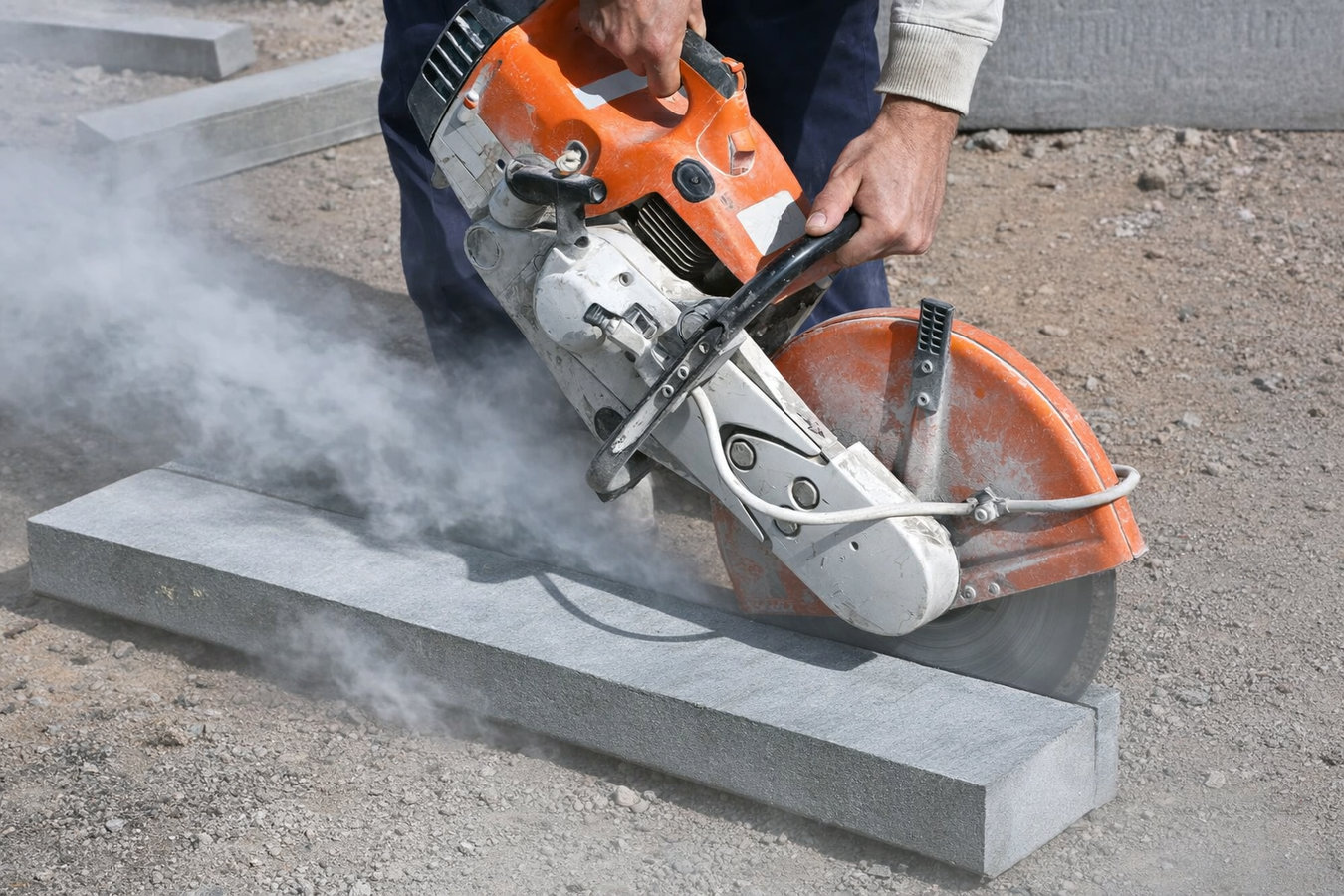
Whether you need a drain opening, a utility rough-in, or a damaged section removed, concrete cutting in Mountain View takes the right equipment and a steady hand. We use diamond-blade saws, confirm permits upfront, and haul away every piece of debris before we leave.
Concrete cutting in Mountain View uses diamond-tipped saw blades to slice through hardened concrete cleanly and precisely - creating openings for drains, pipes, doorways, or utility lines, or removing a damaged section without disturbing the concrete around it - with most residential cuts completed in one to three hours on the day of the job.
The situations that bring Mountain View homeowners to this service are usually one of a few things: a plumber needs access through the slab, an ADU or garage conversion requires new utility rough-ins, a section of driveway or patio has heaved from the seasonal clay soil movement and needs to be replaced properly, or a buried pipe flagged by a camera inspection needs to be reached for repair. In any of these cases, jackhammering is the wrong tool - it cracks and damages concrete well beyond the work area. Diamond cutting keeps the opening clean so the surrounding slab stays intact. For larger projects where the slab being opened is connected to a driveway or parking area, our concrete driveway building team can handle any replacement pour once the utility work is done.
Call us at (650) 582-0099 or request a free written estimate. We respond within one business day.
If water is pooling in your garage, laundry room, or patio and your plumber says there is no accessible cleanout, concrete cutting is likely the next step. The plumber needs an opening in the slab to reach the drain line, and that opening has to be cut cleanly - not jackhammered - to keep the surrounding concrete intact and the repair site manageable.
Mountain View has seen a surge in accessory dwelling unit construction, and most of those projects require new drain lines, water supply lines, or electrical conduit to be run beneath an existing slab. If your contractor or architect has told you that new utility rough-ins are needed under the floor, concrete cutting is how that work begins - and it needs to happen early in the project sequence so other trades can follow.
Mountain View's clay soils shift with the wet-dry cycle of every California season. When a section of concrete heaves or drops noticeably relative to the sections around it, the cleanest repair is often to cut out just that section and replace it. Patching over the surface rarely lasts when the underlying movement is still happening. If you can feel a lip or step between two slab sections when you walk across them, that section has moved.
Homes built before the 1980s in Mountain View sometimes have older cast-iron or clay sewer pipes running beneath the slab. If a camera inspection has shown a cracked or collapsed pipe under your floor, the repair crew will need to cut the concrete to reach it. This is not optional - the pipe cannot be fixed from above, and the longer a failing sewer pipe goes unaddressed, the more soil erosion happens beneath the slab.
We use diamond-blade saw equipment for all residential concrete cutting work - walk-behind flat saws for slab work and hand-held cut-off saws for tighter locations. Every cut is made with water flowing over the blade to cool it and capture the fine dust the cut produces. That dust contains silica, and breathing it over time causes serious lung problems - proper wet cutting is not optional, it is the standard. The OSHA silica standard requires dust controls on all concrete cutting work, and we follow it on every job. For parking lot or commercial slab work where cutting is needed before or after major pours, our concrete parking lot building team can coordinate the full scope.
Before any job that involves breaking into the ground beneath the slab, we call 811 - California's free utility-marking service - to have underground lines located. Silicon Valley's decades of development mean that gas lines, fiber conduit, water mains, and electrical runs are layered beneath many properties in ways that are not always accurately mapped. We do not start until we know what is below. Debris removal and slurry cleanup are included in every quote - concrete chunks are heavy and cannot go in a standard trash bin, and wet slurry cannot be allowed to run into storm drains under Valley Water stormwater rules.
Clean openings in garage floors, laundry room slabs, and patio surfaces for plumbers, electricians, and HVAC contractors - sized precisely to the rough-in specification.
Isolated removal of heaved, cracked, or settled slab sections for replacement - without disturbing the surrounding concrete that is still in good shape.
Concrete cutting for new utility rough-ins on Mountain View ADU and garage conversion projects, coordinated with the permit timeline and the other trades on your job.
Saw-cut control joints in freshly poured or existing slabs to manage where cracks form, preventing uncontrolled cracking across the surface over time.
Mountain View's older residential neighborhoods - areas like Cuesta Park, Rex Manor, and Old Mountain View - were built between the 1940s and 1970s, and the slabs from that era were often poured thicker than today's standard. Some contain older reinforcing methods that are harder to cut through cleanly. A contractor who quotes you a flat rate over the phone without asking about your home's age and slab condition is skipping the assessment that determines what blade, what speed, and what approach is actually needed. The same is true in nearby Sunnyvale, where the mid-century housing stock is similar and the same questions apply before any cutting begins.
There is also the underground utility picture. Silicon Valley has been developed and redeveloped over decades, and the utility infrastructure beneath many Mountain View properties is layered in ways that even the utility companies do not always have fully mapped. California law requires utility marking before any ground-disturbing work - and the Mountain View area's density makes skipping that step genuinely dangerous. Homeowners in Palo Alto and the surrounding Peninsula cities face the same utility complexity, and we bring the same process - 811 call, locating confirmation, then cut - to every job regardless of city.
You describe what the cut is for, how big the opening needs to be, and where it is located. We ask a few basic questions - including whether the slab is reinforced - to determine whether a site visit is needed before we can give you a number. We respond to every inquiry within one business day.
We visit your property to measure the cut location, check the slab thickness, and look for signs of rebar or post-tension cables. This visit takes 20 to 30 minutes and is when you receive a firm written quote. We also confirm whether a permit is needed for your specific project at this stage - before you agree to anything.
If a permit is required, we handle the application through the City of Mountain View. Before the work date, we call 811 to have underground lines marked - required by California law and not skipped on any job. Once permits are in hand and lines are marked, we schedule the work.
The crew marks the line, sets up the saw, and makes the cut with water flowing over the blade. Once the cut is done, we remove the concrete section, clean up the slurry, and leave the opening ready for the next trade. We walk the site with you before leaving to confirm the opening is the right size and in the right location.
We visit your Mountain View property, assess the slab in person, and give you a quote with no obligation - so you know exactly what is included before you commit.
(650) 582-0099A jackhammer does not give you a clean opening - it gives you a rough, cracked hole that takes extra work to seal or frame around. Every cut we make uses diamond-blade saws that follow the marked line precisely, leaving the surrounding concrete undisturbed. In Mountain View's older slabs, where the concrete may already have hairline stress cracks, that precision matters.
We call 811 before every job that involves cutting near the ground - no exceptions. Mountain View's underground infrastructure is dense and not always accurately mapped, and a contractor who skips utility locating is taking a real risk with your home, your project timeline, and your safety. This step is required by California law, and we treat it that way.
Whether your project needs a permit depends on what the cut is for, and navigating that question can be confusing. We research the permit requirements for your specific scope and tell you upfront what is needed - so you are never caught off guard by a stop-work order or a failed inspection from a contractor who skipped this step.
Concrete cutting produces heavy debris and wet slurry, and in Mountain View - where Valley Water stormwater rules prohibit letting slurry run into storm drains - improper cleanup creates real problems. We contain, collect, and haul away everything, including the slurry, so your garage, driveway, or patio is clean when we leave.
Good concrete cutting is not just about making a clean hole - it is about doing the preparation that protects your property, your project schedule, and the next trade waiting on your opening. We bring that discipline to every job in Mountain View.
New concrete driveway pours for Mountain View homes - properly formed, reinforced, and finished with the thickness needed for Bay Area soil conditions.
Learn MoreCommercial and multi-family concrete parking lot construction in Mountain View - designed for load requirements, drainage, and long-term durability.
Learn MoreCall us today or request a free estimate online - the sooner we assess your slab, the sooner your plumber, electrician, or next phase can get started.